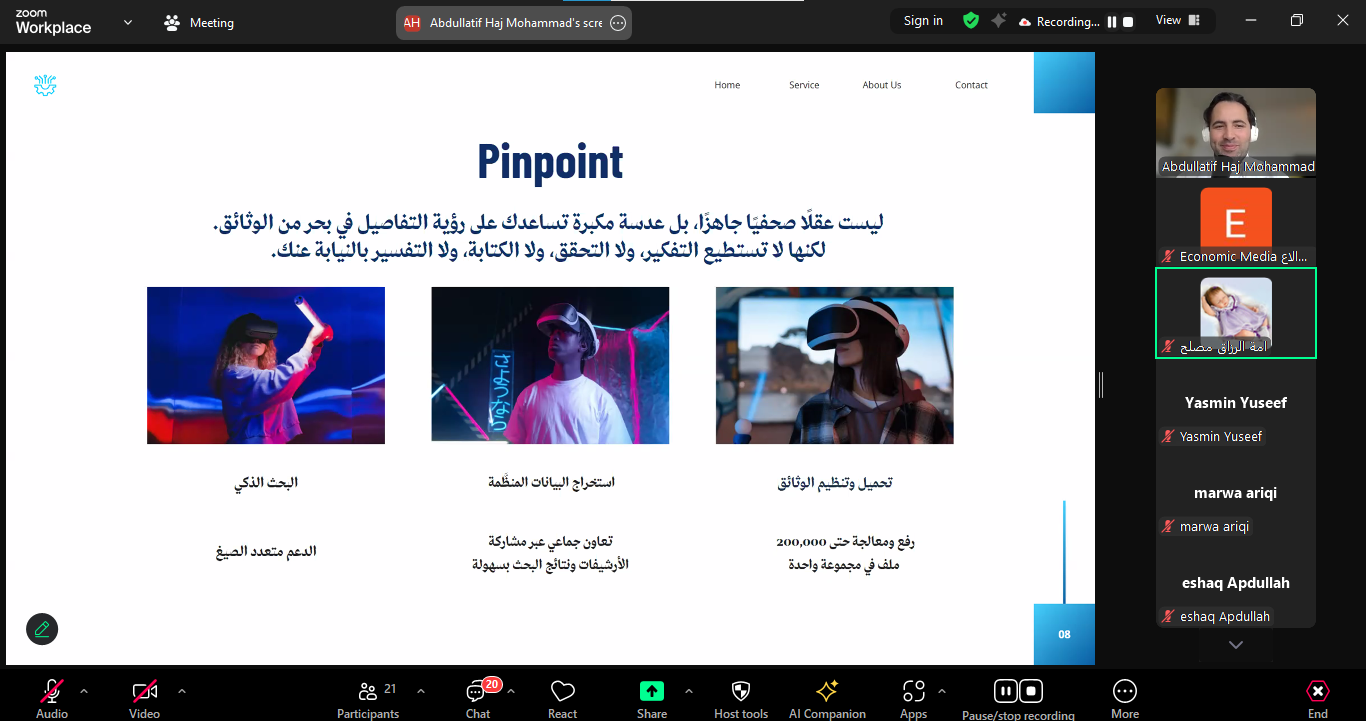
The Studies and Economic Media Center (SEMC) concluded today its first training course titled “Strategies for Digital Content Production and the Use of AI Tools in Journalism,” held in conjunction with the Fourth Yemeni Media Conference organized by Yemeni Media Freedoms Observatory affiliated with SEMC.
The four-day course aimed to strengthen the capacities of independent media outlets in Yemen by helping them integrate AI tools to improve the quality of media content and produce impactful digital stories. It was organized as part of the project “Enhancing the Sustainability of Independent Media Outlets in Yemen.”
Twenty-two journalists (men and women) from 22 independent media outlets across eight Yemeni governorates participated in the course, receiving intensive hands-on training on how to apply AI technologies in journalistic work.
Mohammed Esmail, Executive Manager of the SEMC, stated that this training was part of a broader plan to build the capacities of Yemeni journalists in digital transformation and modern media production. He emphasized that linking the training program with the activities of the Fourth Yemeni Media Conference helped create synergy between theoretical discussions and practical applications, highlighting the importance of AI as a supportive tool for developing independent media in Yemen.
Esmail added that the course represented a practical step toward supporting press freedom and independence by enabling media outlets to develop their content and responsibly adapt to technological transformations, thereby strengthening their presence and influence on public and societal issues.
For his part, Abdullatif Haj Mohammed, CEO of the Middle East and North Africa Network for Journalism and AI and trainer of the course, explained that the workshop was not merely a technical training but an intellectual and practical experience aimed at redefining the relationship between journalism and technology within Yemen’s changing context. He affirmed that this workshop represents a foundational step in building Yemeni media capacities capable of embracing and leading digital transformation rather than merely observing it, paving the way for more advanced training programs within a strategic partnership between SEMC and the MENA Network for Journalism and AI.
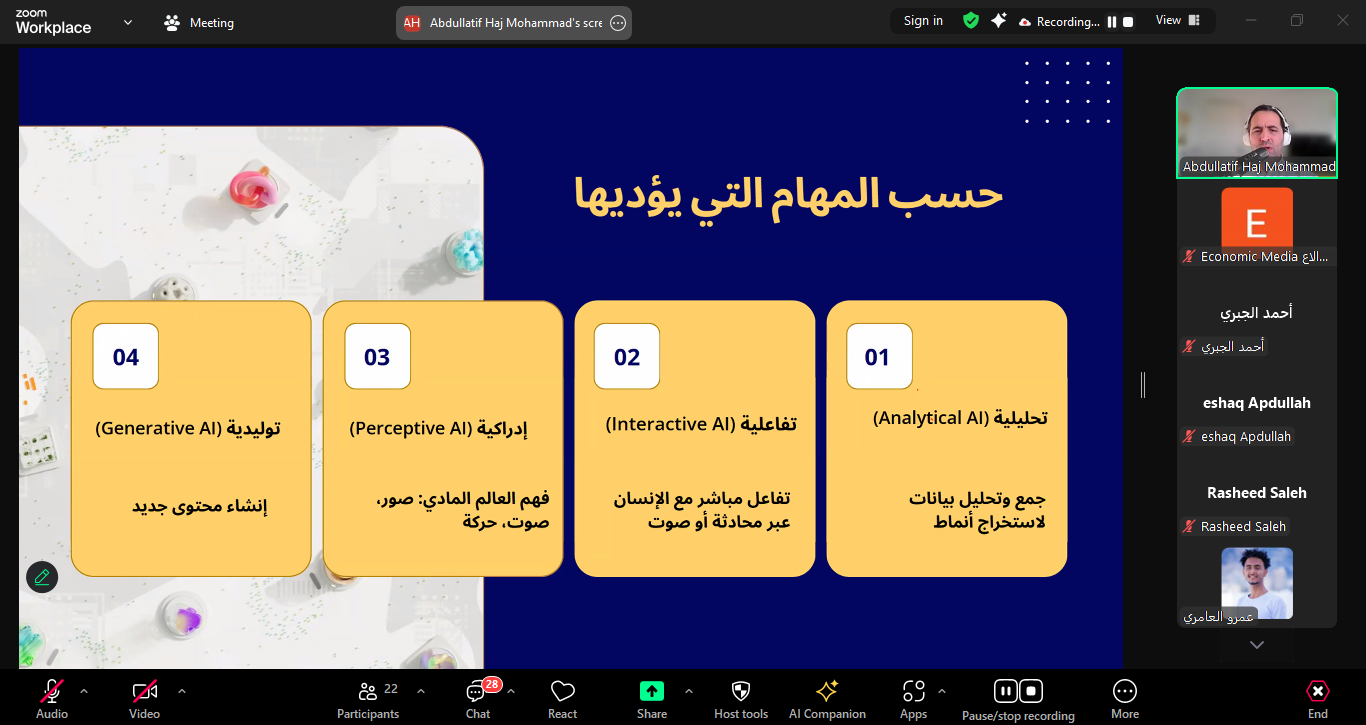
Haj added that the 12-hour workshop involved extensive applied discussions and interactive experimentation, delving deeply into the profound transformations AI has brought to the media ecosystem. It focused on developing journalists’ skills in using smart tools for editing, verification, analysis, and producing diverse forms of digital content.
At the end of the training, several participants expressed great satisfaction with the new skills and knowledge they had gained. Journalist Ishaq Al-Humairi described the course as “excellent” and said it changed his perception of AI, which he had previously associated only with limited tools such as chatbots. He added that he is now more capable of employing AI tools in his journalistic work and called for organizing more advanced courses in this field.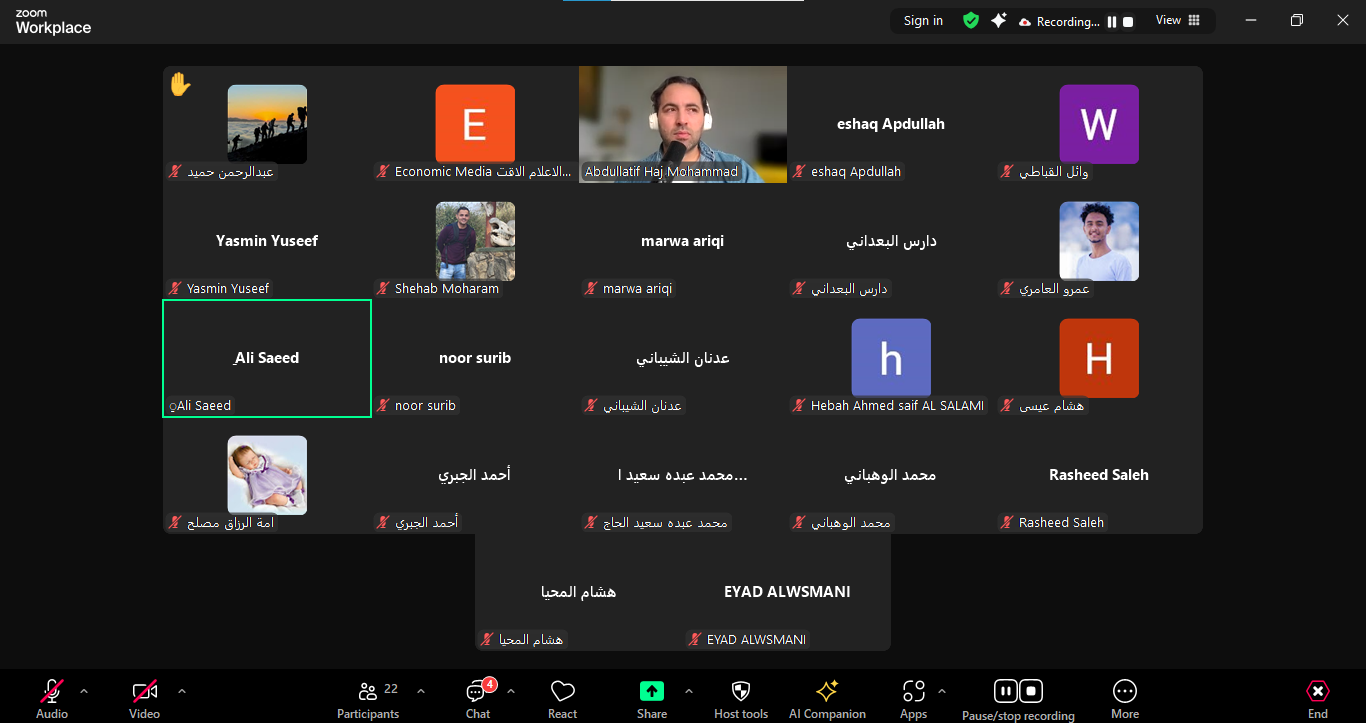
Woman journalist Yasmin Al-Khiyawani said the course represented a qualitative leap in her understanding of AI’s importance in facilitating journalistic work, noting that she learned how to use these tools to complete tasks more efficiently and quickly allowing journalists to focus on the creative aspects of content production.
This course is part of the “Enhancing the Sustainability of Independent Media Institutions in Yemen” project, implemented by SEMC in partnership with the National Endowment for Democracy (NED), as part of ongoing efforts to support press freedom and empower independent media to keep pace with digital transformations.
It is worth noting that the SEMC is a civil society organization working toward a successful and transparent Yemeni economy by raising awareness of economic and developmental issues, promoting transparency and good governance, and fostering professional and ethical journalism.
COMMENTS